
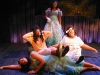
 The Cutting Ball Theater Company‘s production of a new play by Marcus Gardley, “…and Jesus Moonwalks the Mississippi” has been extended for a week and is selling out fast. It’s easy to see why. Gardley’s language is tactile and poetic, the Demeter/Persephone Greek myth-based story about a mother’s search for her daughter moves along with the fluidity and depth of the MIssissippi river thanks to Amy Mueller’s rhythmic direction and the cast members act with an arresting sense of ensemble.
Best of all is the a cappella gospel and spiritual singing, which flows throughout the play. I rarely hear such visceral vocal music. The theatre is so small, the actors are so close to us and they singing is so ardent, that it’s impossible not to feel completely drowned in the harmonies from the get-go. I was completely swept away.
On the other hand, the singing and staging make up for the shortcomings in Gardley’s dramaturgy. At times, the play feels like second-rate Suzan-Lori Parks, with its twisted-archetypal characters with names like “Free Girl” and “Yankee Pot Roast” and gender- / genre-bending plotlines and poetics.
Gardley is a talented playwright with an original voice. His works “Love is a Dream House in Lorin” and “This World in a Woman’s Hands” demonstrate his ability to moonwalk on water. He doesn’t need to imitate other playwrights.

 A singer friend of mine currently residing in Asia but normally based in Los Angeles, Titus Levi, forwarded me an email he received from the composer/pianist Gene Carl. Titus had asked Gene what makes writing for voice and chorus so tricky. Gene’s response was so thoughtful that I asked if I could publish his musings as a guest blog here at lies like truth. Gene generously agreed. Here’s what the composer has to say on the subject:
 Having complained about the snoozing audience at the Auerbach/Weilerstein gig a couple of nights ago, it was gratifying to see an audience wide awake and vociferously responsive at
  Two things to share with you this morning:
 Last Friday, over lunch with a friend, the discussion turned to ways to make classical music relevant to younger audiences. This hoary topic tends to make conversation spiral around in circles. But I feel that there’s enough happening in the field these days to suggest that composers and musicians are doing what they can to reach out to younger audiences.
  Thoughts about some stuff I did at the weekend:
 I know rehearsal periods for theatrical productions are tight in this country. Artists manage to pull of incredible feats i four weeks through sheer hard work, talent and caffeine. But I’m getting a little tired of theater companies using preview performances as dress rehearsals.
 One of the most frustrating things about hosting a radio show which airs from 10 – 11 pm on a Friday night is that you get a lot of disgruntled would-be listeners writing to you to let you know that they’d love to tune in — if only the show weren’t happening at such an awkward time during the week. I’ve been getting several requests a week from people asking about whether it’s possible to hear the show after the fact
 I asked the the superb, young Macedonian pianist Simon Trpceski jotted down some thoughts for lies like truth about his world. Mr. Trpceski kindly indulged me with the following…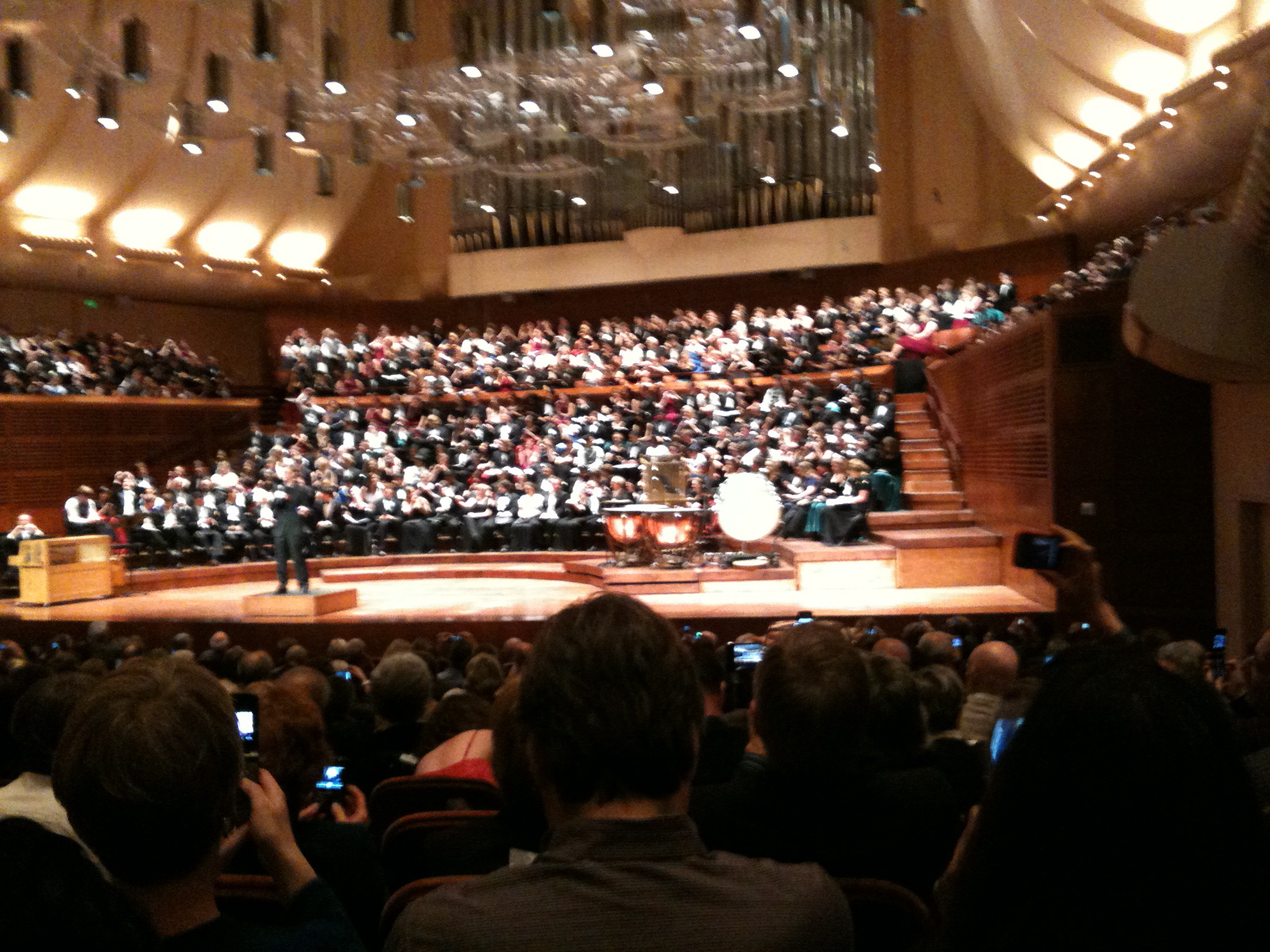
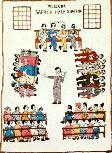 I have a friend who’s nuts about shape note singing. For anyone unfamiliar with this powerful yet not widely known and often misunderstood form of music, you can find out all about it