
This started as a blog about the future of classical music, my specialty for many years. And largely the blog is still about that.
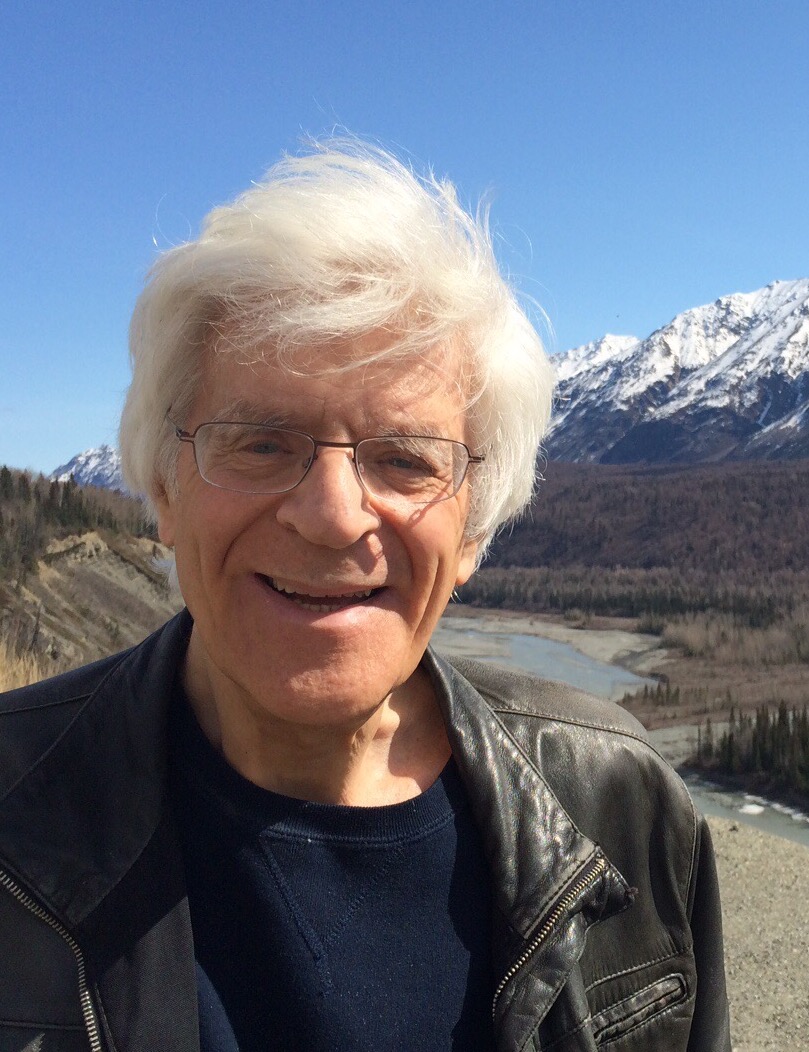 But of course it gets involved with other things I do — composing music, and teaching at Juilliard (two courses, here and here). Plus my family, public speaking, and working as a consultant on career development and on issues related to classical music’s future.
Go here for more on me.
And about the future of classical music…
Here’s a quick outline of what I think that future will be. Watch the blog for frequent updates!
I
Classical music is in trouble, and there are well-known reasons why. We have an aging audience, falling ticket sales, and — in part because our audience is shrinking — persistent financial woes.
And behind the numbers lies a deeper problem. Classical music has grown distant from our wider culture. We don’t connect well with the world. Most of the music we play is from the past, while the people around us are connecting with the culture and concerns of the present.
No wonder, then, we’re losing our funding and our audience.
But we’re changing — dressing more informally, playing in clubs, talking to our audience at concerts, in a thousand ways moving closer to the world around us, beginning to adapt to the present day.
And so I don’t think classical music will die. I expect it be reborn, to find a new audience, to reconnect with our wider culture, and to become a truly contemporary art.
II
About the ways classical music will change…
The changes will be large. And — I say this with sympathy — very likely troubling, for some who deeply love classical music the way it is now. But the old ways aren’t sustainable. Classical music can’t survive without major change.
Here are some of the changes I anticipate:
We’ll perform less music from the past, most likely much less.
We’ll no longer think that classical music is somehow sanctified, that it’s specially blessed in our culture (or should be specially blessed). Or that it’s better than music of any other kind. And our world is greatly varied now. Classical music needs to stand beside many other things, all with value of their own.
We’ll present performances more vividly, and talk about them — both in conversation and in our promotion and marketing — with genuine excitement.
We’ll reconnect with classical music’s past, with an age when it was more informal and spontaneous, when musicians improvised more, when the music had more contemporary relevance, and when the audience responded with far more spontaneity. If that’s how it was when Mozart was alive, why can’t it be that way now?
We’ll learn to speak the language the rest of our world speaks, to talk about the things it talks about. Too often we think of classical music as a refuge from the wider world. But it can’t survive that way? How can we attract a new audience, if we turn away from the world the new audience lives in?
III
And now, a warning. Many people in our field believe that we can bring classical music back by restoring classical music education in our schools. And by bringing classical music into our communities.
I don’t think these things will work.
Schools: If the problem is that not enough people care about classical music, how can we build support for teaching it in our schools? Where will the money for it come from, at a time when school budgets are being cut? In an age of diversity, how can we justify a focus on classical music, when schoolkids also don’t know jazz or the blues?
Communities: If — in its present form — classical music is focused on the past, and out of touch with current culture, it will remain out of touch, even if we make it friendly and accessible. So how many people can we truly reach? How can we hope to recreate the large audience classical music had in the past, when it fit far better into the culture of its time?
And in an age of diversity, shouldn’t our communication with communities go two ways? Shouldn’t we be learning their culture, even as we teach them ours?
IV
So the major changes that I’ve outlined are our best hope. But they have to go further. Here are some things we have to do:
We have to redefine what classical music is. In our minds — and in the minds of people in the outside world — classical music means the old masterworks, Bach and Beethoven, Mozart and Brahms. We have to blow up that idea. We have to redefine classical music as something that goes beyond any style or sound, beyond any repertoire. To me, it’s (very simply) music that’s composed in advance of performance, and thus, as we listen, can unfold with the careful flow and detail of a fine novel or film. No other musical genre works that way. Understood like this, classical music can have any sound, incorporate any musical technique. And thus it can be contemporary, can open itself to all the cultures of the world.
We need to be more diverse. How can we fit into a greatly varied world, if we’re not ourselves diverse? How can we ask support from people who don’t hear themselves in our music, and don’t see themselves among the musicians we put onstage?
We need to be more creative. We may not seem creative to the world outside us. We seem to do the same things, play the same music, over and over. We may know that this can be creative, and needs great, focused discipline. But it may not seem creative to the outside world. Because, outside our concert halls, new things are being done with music and with sound, while older music is reinterpreted in new ways. We should join the larger world in doing all these things.
We need to be entrepreneurial. To attract a new audience, we need to reinvent the way we do business. We need to perform in new places for new people, and to find new ways to inspire new people to come.
If we want to be creative — and entrepreneurial — we need to change the way we educate classical musicians. We need to teach it more creatively both to children and to aspiring classical music professionals. Everyone should be encouraged to create music, to compose pieces, discover new sounds, and play old in ways all their own.
When we play the old masterworks, we have to do it with more individuality, more fire, and more conviction. We have to treat these works as if they were new. What goes on inside them — their narrative, contrasts between one moment and the next — should be unmistakable to everyone listening, even to people who don’t know classical music at all.
We have to reinvent the financial structure of classical music. Not everyone who studies classical music can make a living from it. But those who do succeed have been decently paid, making more or less the same money as accomplished professionals in other fields. Can this continue? The old ways are wading, and with them the established ways of making a classical music living. We don’t yet know how classical music will finance itself after it’s reborn. But we’ll have to figure it out, so that classical musicians of the future can be financially secure.
And, one last time, we have to fully join the culture around us. That may not seem easy. And — as once more I say with sympathy — it may not please everyone who loves classical music now. But it’s something we have to do, and, beyond that, it’s a natural impulse for younger people in our field. It will lead them to new places, giving classical music new excitement, new conviction, and new artistic depth.
Further reading:
Before the Crisis: What classical music was like in the old days, when it was popular.
Timeline of the crisis: How the classical music crisis grew, from the 1970s till now.
Age of the audience: How the audience has aged, as shown both in statistics and in anecdotal data
Four keys to the future: Four steps we can take right now, to make things better.
I’m super-interested in this topic, and have been reading through a lot of your posts – which I find thoughtful and interesting – but I must admit I don’t quite understand what you mean by the term ‘classical music’. I think you mean ‘music which is played by professionals trained to play music not written by them’, but you also talk about composer/performer type concerts that don’t fit that bill. Unless I’ve missed one, I’d be really interested to read a post where you approach this – perhaps a thought experiment: imagine a ‘classical concert’ 100 years hence.
Hi Greg, I just came across your site. Our interests overlap quite a bit. Check out my book Planet Beethoven: Classical Music at the Turn of the Millennium. It came out in November 2014 and makes references to your wife. I’ll be checking in regularly!
Hi Greg! Here a follow-up, RMA Study Day at Humanities Research Institute, University of Sheffield – Monday 16th November 2015 (CFP) http://wp.me/pbVP0-K7
Hi Greg! I’m 25, self taught musician and composer with some late formal classical / jazz education. First of all I must say your content is super interesting and innovative. That’s why I would really appreciate a real critic in order to improve in my beginnings. If you like please listen to my very first piano composition called “Princess Liss”. (https://youtu.be/rz8NnAyVqL8). It would mean the world to me!
Thanks a lot!
David.
David, I listened to some of it. Not at all bad. But I think at this point you need more study, both of composing and piano playing. I’d suggest getting reactions from musicians in the area where you are. That’ll mean more at this point than anything I can tell you. And will do more to get your career started.
If I tried to say more, I’d be getting into territory of someone who’d be your regjular teacher. But that’s not something I can undertake. I have to leave it where I started. You’ve certainly got a feeling for music, and you’re at the start of a journey. Study more.
Thanks, Benedetta. For citing me in your very interesting blog, in a post about financial problems of Italian opera houses, which earn only 12% of their costs from ticket sales. Here’s the link: http://benedettasaglietti.com/2012/11/20/costi-fondazioni-lirico-sinfoniche/