
At the Freakonomics blog, Daniel Hamermesh reports on pricing at his local cinema in suburban London: Every Tuesday they show a recent movie (e.g., Lincoln is showing on May 21) and charge only £3 ($4.60). Moreover, you get “free tea, coffee and biscuits!” Such a deal—so how can they make money off this, or is it just altruism by the theater owners toward us old folks? The movie costs no extra rental, and the only variable costs are the wages of the one or two workers who sell the tickets and make the eats. The fixed costs—of the movie … [Read more...]
How student discounts work
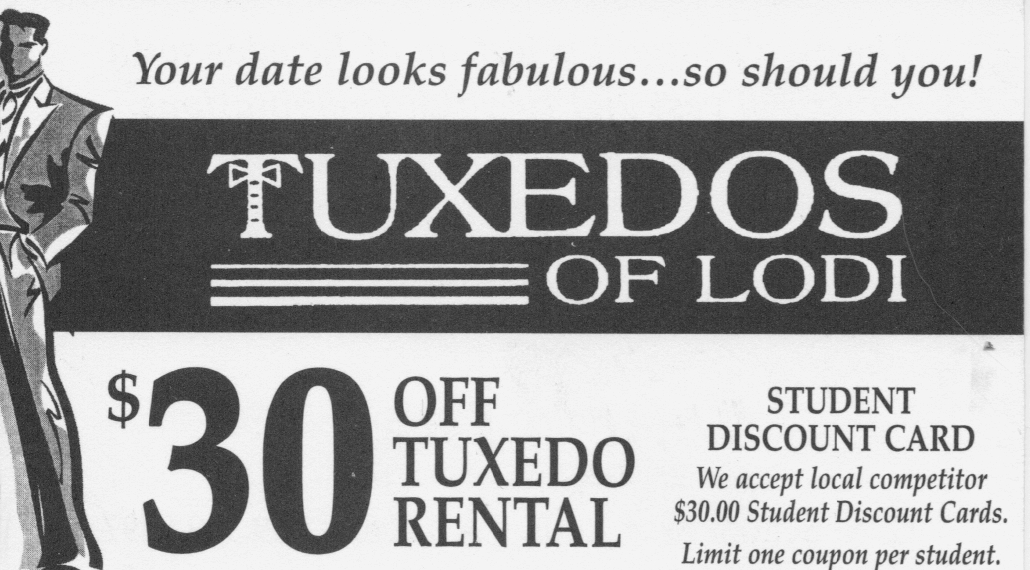
Student discounts are offered many places - in restaurants, theaters, tuxedo rentals - and in both the commercial and nonprofit sectors. Nonprofits might want to discount student prices on equity grounds, giving them a break because they have less disposable income. But commercial firms offer these discounts too. It might be to try to gain loyalty to the brand that will extend beyond the customer's student years. But it also could be simple price discrimination, recognizing that students have different demand patterns than graduates. How to … [Read more...]
Why a lottery?

The Daily Telegraph reports on a new offer by the English National Opera: Fans buying tickets to see the ENOs most popular performances will be given the chance to win the best seats in the house under the new “secret seats” scheme. The gamble could also see them end up with the worst seats, although organisers promise no view will be restricted and no ticket will be worth less than £25 ordinary sale price. The scheme was launched as part of a new season announced yesterday, as the ENO aims to redress a financial deficit in … [Read more...]
What do we talk about when we talk about the economic impact of the arts?

In the news from Britain in the past week has been a speech by Culture Minister Maria Miller on the arts and the economy in the UK - the full text is here. Commentary has ranged from the concern about putting too much emphasis on the economic, to how we ought to define cultural industries in the contemporary world. I would like to focus on what linkages the Minister sees between culture and the economy. As Tim Harford notes, the speech is a bit of a jumble, so let us try to untangle some of the knots. I see three kinds of ways to think about … [Read more...]
Lotteries should not be used to fund the arts
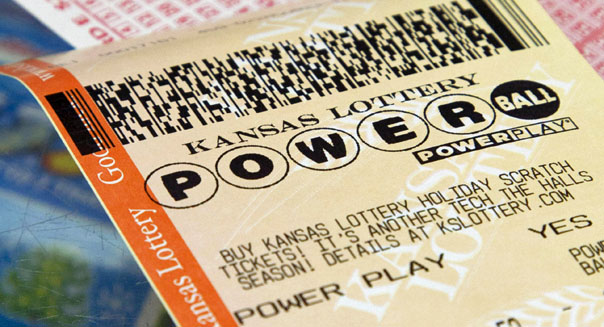
Blog neighbor Greg Sandow posts about the relationship between arts funding and gambling, especially regarding early Italian opera. It's tongue in cheek, but he concludes: For those without a sense of humor: I know very well that gambling raises moral questions, and legal questions, too, not to mention questions involving real estate. Where would the Met put its new casino? Where in the opera house would there be room enough? But let’s not forget that gambling — I’ll never call it “gaming,” its euphemistic marketing meme — has spread … [Read more...]
Strategic gaps in the paywall

At Slate, Matt Yglesias reports that advertising revenues are down, but subscription revenues are up, at the New York Times: I've been skeptical about digital subscription models for a long time, but I'm turning into a believer. A key change has been the development of technological means of making the paywalls actually pretty porous, which turns them into more a form of price discrimination than anything else. A well-designed paywall attracts revenue from hardcore fans of a website while still making it possible for casual fans to read the … [Read more...]
Today in concession fares
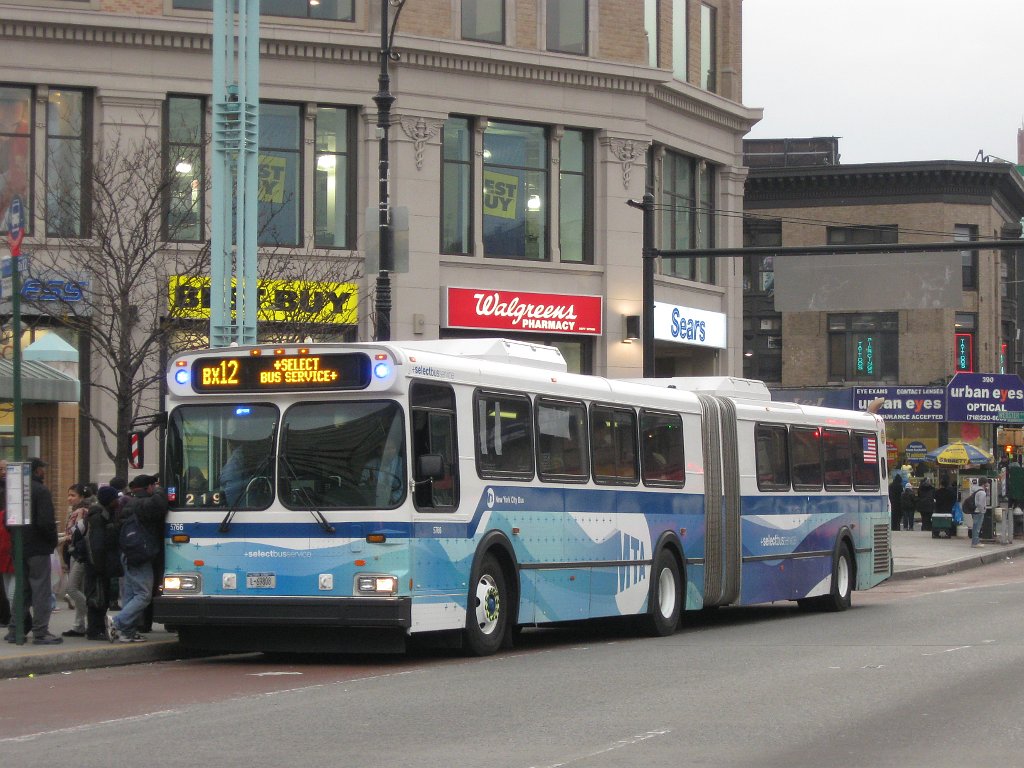
Laura Pedersen of the New York Times reports: A packed crosstown 86th Street bus going west. A man and a child who looks to be about 4 are sitting side by side. A large older woman seated nearby belligerently says, “You didn’t have to pay for that child, so you must hold it on your lap.” The man politely replies, “You paid only a senior half fare, so you can only use half a seat.” Conversation over. … [Read more...]
Why are tickets for rock concerts so expensive?
Artsjournal links to a CBC story on the prices of concert tickets: Whether it's Justin Bieber or the Rolling Stones that fans want to see in concert, they'll likely be paying dearly. "At first, we only spent $350. Then, the next time, we spent $450," 16-year-old Bieber fan Cara Corbett and her best friend Tyra Bright told CBC News. "This year, it was like $650 and I was like 'I'm done ... I'm not spending any more.'" Back in the 1970s, a ticket to a Rolling Stones concert in Toronto cost around $8. Tickets for the band's upcoming … [Read more...]
Arts policy research is expensive: a contrasting view

In an earlier post I noted the high expense of "gated" academic journals, and questioned why the global network of research universities has continued to use a system where academics produce research articles (sometimes at high cost), serve as peer-reviewers, and as editors, without renumeration, and then pay publishers significant fees to access the published versions of those works. Why not use low-cost (but still peer-reviewed) open-access platforms? A new working paper by Adam Mossoff of George Mason University Law School provides a … [Read more...]
Internet sales should be taxed
The Washington Post reports that the Senate is soon to vote on the issue of sales taxes on goods sold over the internet: The Senate is planning to vote on a bill as soon as Monday that would give states the authority to collect sales taxes on all Internet purchases, handing local governments as much as $11 billion per year in added revenue that they are legally owed — but that hasn’t been paid to them for years. ... As states have become more strapped for cash since the recession, local officials have fought back. New York passed an “Amazon … [Read more...]