
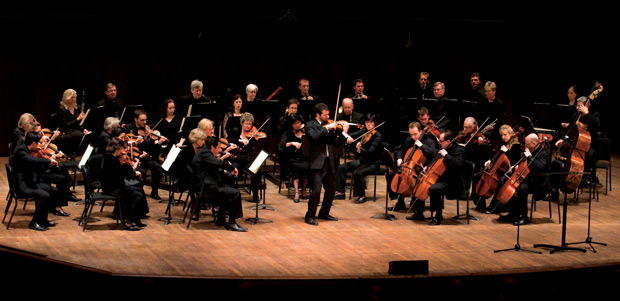
(This blog post was originally published on the NEA’s Art Works blog on March 16, 2011.) I thought it would be interesting to write about the efforts we have made at The Saint Paul Chamber Orchestra to increase demand for our classical music concerts. Chairman Landesman was quoted as saying that “demand is not going […]
Teaching how to learn

Last month I had the opportunity to spend a couple of days with senior educators from Interlochen Center for the Arts, where I am a board member. We were doing a deep dive into the ways teaching and learning are changing, given the immediate availability of information and ideas via digital devices in the classroom. I am […]
Big change is created how?

I’m ready to take a break from the supply/demand discussion, at least for a while. As I’ve been thinking about it I find that other work I’m doing is refracted through the lens of that discussion. One such item is an article that Russell Willis Taylor recommended to me and I’m passing it along to all […]
In the supply/demand equation, organizational structures matter

The subject of whether there is a supply/demand problem in the nonprofit cultural sector is resonating with a lot of people, and for me it’s caused reflection on what’s changed that’s brought us to this discussion.  And one thing that has changed is funders’ expectations for what constitutes an appropriate grantee. In the 1970’s and […]
What next, death panels?
In an interesting turn of events last week, the NEA Chair, Rocco Landesman, echoed the “too much art” refrain that we’ve been hearing lately.  The press quotes varied from this one on the NY Times Arts Beat e-column to this one in the Post.   The Post has him saying, “We’re overbuilt. We have too many theaters.”  […]
MRI or “Most Respectful Interpretation”
Every Sunday’s NY Times Business section includes a special feature on leadership and management in the form of an interview with a business executive. It’s called “Corner Office“  and is written by Adam Bryant. The interviewees are asked about things like what they look for in a person when hiring, how they approach interviewing job candidates, and how they lead […]
Eat your spinach, and other arguments for learning to play music

With the New Year came dozens of media stories about resolutions and how to stick with them. Â Two of my favorite were the Oliver Sacks’ Op-Ed in the NY Times (This Year, Change Your Mind) about things you can do (at any age) to strengthen your brain function, and a Wall Street Journal article on […]
Must charitable giving be tax deductible to be sustainable?

Lately I’ve been thinking about how to encourage charitable giving without evoking the tax deductibility of gifts as a benefit. Why? As government looks for ways to balance its books, both revenue and tax code simplification proposals are being widely debated among policymakers and the press. Among these are proposals to terminate both the mortgage […]
New audiences via online coupons
For the past few months, the SPCO has been experimenting with on-line coupons to reach new audiences. Â This is part of our multi-year plan to expand our audience using non-traditional and grassroots methods. Â We give more than 100 classical music concerts each year in ten locations around the Twin Cities. Â Just about half our […]
Just say no

When you go to the Grantmakers in the Arts website you can read two documents there that provide deep background on a conversation GIA members are having about trends in their work and how their grants shape the financial and artistic vitality of the nonprofit cultural sector. Â The reports posted there are the result of […]