

On the agenda at a recent Board of Overseers’ meeting at the Curtis Institute of Music were past graduates, some with non-traditional careers both in music and not, speaking about the preparation their Curtis education provided them. The backdrop to the conversation was a speech the previous afternoon by Derek Bok, who advocated for the […]
Whither classical music radio

The Station Resource Group and Walrus Research, with support from the Corporation for Public Broadcasting, published a report in June on the Performance of Classical Music Stations. Â The report is part of a larger effort at the Station Resource Group to advance thinking around what it would take to expand audiences for public radio […]
This consumer movement should help us
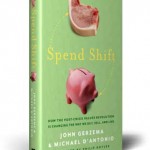
In a recent book and several articles (Huffington Post, Strategy+Business, Forbes, others – just Google “Spend Shift”), John Gerzema and Michael D’Antonio describe a new breed of consumers they’ve named “Spend Shifts.”  The co-authors say that the Spend Shift movement began before the Great Recession and consists of a large, diverse demographic group who “realize […]
Celebrate rigor

At the Salzburg Global Seminar I wrote about in my most recent post we were fortunate to have a number of leading music educators from around the world as participants. Among them was Duffie Adelson, President of Chicago’s Merit School of Music, who spoke to us about that impressive school’s philosophy and results. In her talk […]
Salzburg manifesto: The value of music and the right to play

Last week I had the honor of serving as Co-Chair, with Nicholas Kenyon, of a session at the Salzburg Global Seminar titled, “Instrumental Value: The Transformative Power of Music.” Â Nearly 60 people from 23 countries traveled to Salzburg where we met for four days to discuss the ways that music contributes to individuals, societies and […]
Working to create demand
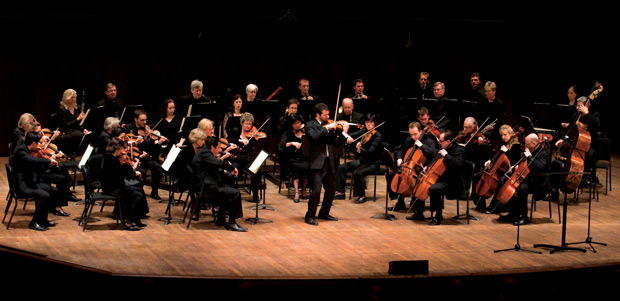
(This blog post was originally published on the NEA’s Art Works blog on March 16, 2011.) I thought it would be interesting to write about the efforts we have made at The Saint Paul Chamber Orchestra to increase demand for our classical music concerts. Chairman Landesman was quoted as saying that “demand is not going […]
Teaching how to learn

Last month I had the opportunity to spend a couple of days with senior educators from Interlochen Center for the Arts, where I am a board member. We were doing a deep dive into the ways teaching and learning are changing, given the immediate availability of information and ideas via digital devices in the classroom. I am […]
Big change is created how?

I’m ready to take a break from the supply/demand discussion, at least for a while. As I’ve been thinking about it I find that other work I’m doing is refracted through the lens of that discussion. One such item is an article that Russell Willis Taylor recommended to me and I’m passing it along to all […]
In the supply/demand equation, organizational structures matter

The subject of whether there is a supply/demand problem in the nonprofit cultural sector is resonating with a lot of people, and for me it’s caused reflection on what’s changed that’s brought us to this discussion.  And one thing that has changed is funders’ expectations for what constitutes an appropriate grantee. In the 1970’s and […]
What next, death panels?
In an interesting turn of events last week, the NEA Chair, Rocco Landesman, echoed the “too much art” refrain that we’ve been hearing lately.  The press quotes varied from this one on the NY Times Arts Beat e-column to this one in the Post.   The Post has him saying, “We’re overbuilt. We have too many theaters.”  […]