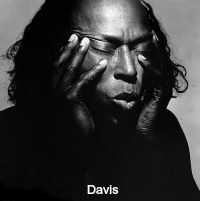
 “Four†is one of the best-known jazz tunes attributed to Miles Davis. He may
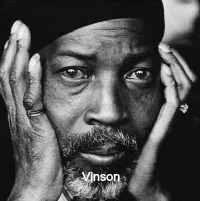 actually have written it, although a substantial number of musicians maintain that the composer was the alto saxophonist and blues singer Eddie “Cleanhead†Vinson. It is all but certain that Vinson also wrote “Tune Up,†another modern jazz standard for which Davis took credit. Regardless of authorship, “Four†quickly became a jazz standard following its first recording by Davis on his 1954 Prestige album Blue Haze. It” has been performed countless times since.
During a visit to Copenhagen in 1968, Sonny Rollins tackled “Four†with a rhythm section of Kenny Drew, piano; Niels-Henning Ørsted Pedersen, bass; and Albert “Tootie†Heath, drums. Rollins sets the scene with an unaccompanied introduction in which he does not quote every song he ever heard. It only seems that way.
Sonny Rollins and friends, Denmark, 49 years ago!
Great video. Some marvelous cats in excellent form. Bassist Pedersen left us much too early.
The finest interpretation of “Tune Up” (the title referring to tempo!) I’ve ever heard was recorded by Sonny Stitt on tenor with perhaps my favorite jazz drummer of all, Alan Dawson. I recall discussing Stitt with Hank Freeman, whose voluminous credits included playing alto in the original Artie Shaw band and also being Dinah Washington’s favorite session player. Hank was awestruck by this track, and also Sonny’s ballad performance on alto rendering “I Can’t Get Started.”
Some have unfairly ridiculed Stitt for stating that he was working on ideas similar to Charlie Parker before actually hearing Bird, but music history, and history in general, demonstrates that such coincidences are not uncommon, and I take Sonny at his word.
Sonny’s ‘word’ came through his embouchure. Truly unique, he wasn’t Bird but he was among the very few who could play with equal sound, skill, and creativity on tenor and alto. Saw him in L.A., Chicago, Cincinnati, and mostly in Manhattan.
Mr. Ramsey and I go way back, too.
Cleanhead told me sometime in the mid-70s that he gave those songs to Miles when he “didn’t have a record contract” in 1953 or ’54. There may have been others given to Miles that were not recorded.
Bob Porter