
 Here’s a list of qualities that British theatre productions seem to think they need to possess in order to “succeed” in the U.S. market:
1. A cast of actors, most of them speaking in middle-class Home Counties accents with just one or two “regional”-accented actors (e.g. a token Welshie or Scouser) thrown in for color.
2. Period costumes.
3. Live music, preferably played on period instruments.
4. Live animals on stage or beautifully-constructed puppets.
5. A bare-bones approach to scenery (it’s all about the actors after all).
6. Shakespeare (or references to Shakespeare if not the performance of one of the Bard’s plays.)
7. At least one comical septuagenarian actor with a neatly-trimmed beard.
8. Microphones.
 There’s something to be said for the fact that retreat centres try to get the people who visit them to unplug for the duration of their stay. That’s the whole point of going on a retreat — to get away from the hustle and bustle of everyday life. But following an experience I had during a recent visit to the
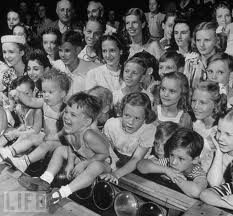 Arts organizations try many different tactics to get young people through their doors, from offering low-cost tickets and organizing party nights with DJs to doing in-schools programs and partnering with other organizations that are more closely tapped into youth culture like capoeira clubs and skateboarding stores.

 Three Bay Area-based dramatists had the following to say in response to this question:
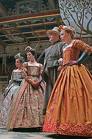 Finessing a sudden change in mood from comedy to tragedy and visa versa in the theatre is a challenging feat. I was reminded of this fact last night at a performance of Dominic Dromgoole’s
 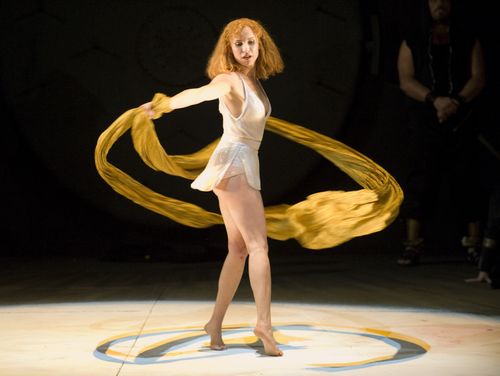 When headliner Nadja Michael (pictured) became “indisposed” last Friday for that evening’s performance of Strauss’ Salome at
  Andrew Taylor’s latest
  Even the most lighthearted and confident stars of the opera stage suffer from moments of unconscious stress. The bubbly American mezzo-soprano Susan Graham is currently in rehearsals with the