
• Home
  • About
    • For What it’s Worth
    • Michael Rushton
    • Contact
  • AJBlogs
  • ArtsJournal

For What It's Worth

Michael Rushton on pricing the arts

You are here: Home / Archives for two-part pricing

We switched ’round and ’round ’til half-past dawn

May 6, 2014 by Michael Rushton 1 Comment

"Zero marginal cost, you say?"

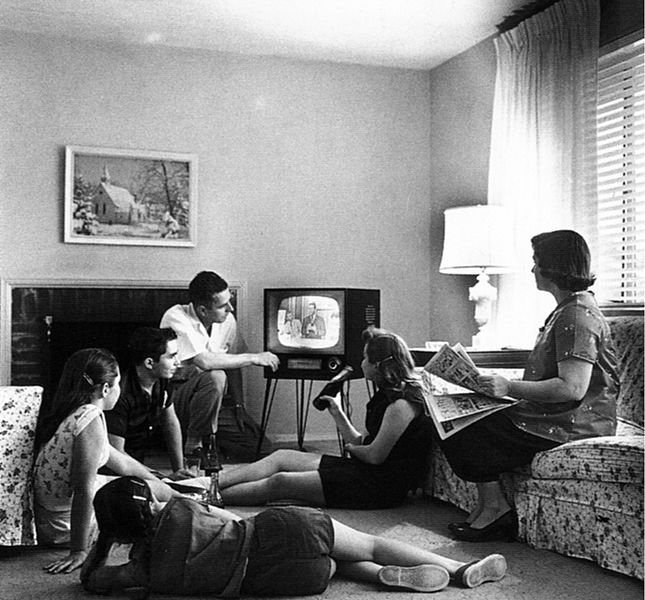
A new report from the Nielson company: According to Nielsen’s forthcoming Advertising & Audiences Report, the average U.S. TV home now receives 189 TV channels—a record high and significant jump since 2008, when the average home received 129 channels. Despite this increase, however, consumers have consistently tuned in to an average of just 17 channels. This data is significant in that it substantiates the notion that more content does not necessarily equate to more channel consumption. And that means quality is imperative—for both … [Read more...]

Museums, Amusement Parks and Cable TV

February 24, 2013 by Michael Rushton 9 Comments

"Zero marginal cost, you say?"

Should museums charge visitors according to the length of their visit?  In a recent paper Bruno Frey and Lasse Steiner argue they should. We pay per hour when we park our cars, so why not when we go to view art? This question came to mind during the recent flare up over the pricing of cable television. Yes, cable television and art museums (and amusement parks!) have something in common. Those of you who subscribe to cable television know that even the most basic package contains a lot of channels, many of which you never intend to watch. … [Read more...]

Michael Rushton

Michael Rushton taught in the Arts Administration programs at Indiana University, and lives in Bloomington. An economist by training, he has published widely on such topics as public funding of the … MORE

About For What It’s Worth

What’s the price? Everything has one; admission, subscriptions, memberships, special exhibitions, box seats, refreshments, souvenirs, and on and on – a full menu. What the price is matters. Generally, nonprofit arts organizations in the US receive about half of their revenue as “earned income,” and … [Read More...]

Archives

Recent Comments

  • Jeff Woodruff on Reading James Marriott’s The New Dark Ages: “You referred to “the great centuries – 1750 – 1950.” I think there’s a lot of evidence that the whole…” Oct 18, 09:24
  • Mark Z Alpert on Reading James Marriott’s The New Dark Ages: “Leonard Bernstein’s “Young People’s Concerts” was perhaps, the most promising hope, along with “Omnibus”, that television would herald a most…” Oct 15, 12:33
  • Michael Rushton on Reading James Marriott’s The New Dark Ages: “Recordings and radio offered people different ways to experience music, and brought it to wider audiences than would have been…” Oct 8, 14:44
  • Richard Voorhaar on Reading James Marriott’s The New Dark Ages: “,Just as recordings and radio was the death of traditional folk music, non-western music, jazz and classical music. ,” Oct 8, 13:35
  • Michael Rushton on We cannot quantify the richness of a nation’s literary life: “I try to make a point of not being a part of the “we” you describe.” Sep 9, 07:45
Return to top of page

an ArtsJournal blog

This blog published under a Creative Commons license

Copyright © 2026 · Magazine Pro Theme on Genesis Framework · WordPress · Log in