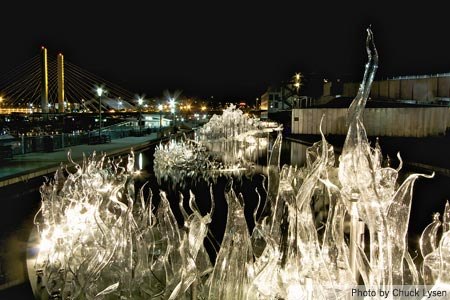
Fishtown artists had the vibe, but few produced the goods. It’s tough to work in a leaky shack. For every James Castle, using spit and soot on discarded bits of cardboard, there must be hundreds of artists who could have connected if they had a creature comfort or two. Below, 10 non-Fishtown painters (and one photographer) who’ve covered the Skagit. All could retreat to rooms somewhere, far away from the cold night air.
Richard Gilkey A 1955 weather report: muck with the certainty of flowers.
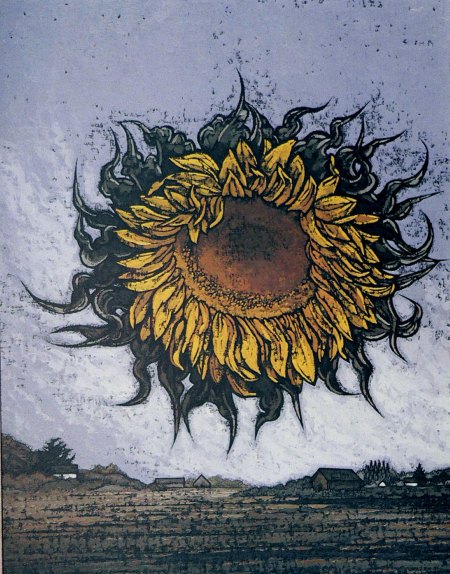 Guy Anderson, not dated. (Yes, the earth moved.) It’s depressing how few good Andersons are online.
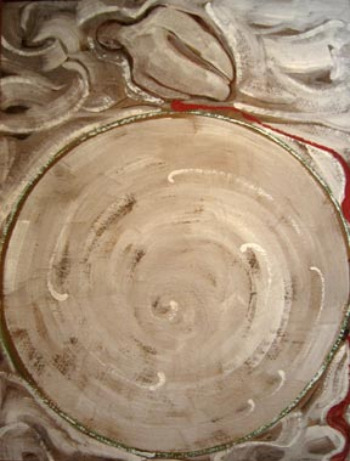 Also Anderson:
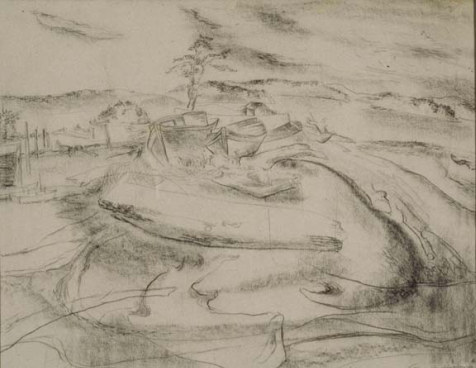 Norman Lundin He can imply rain without painting it.
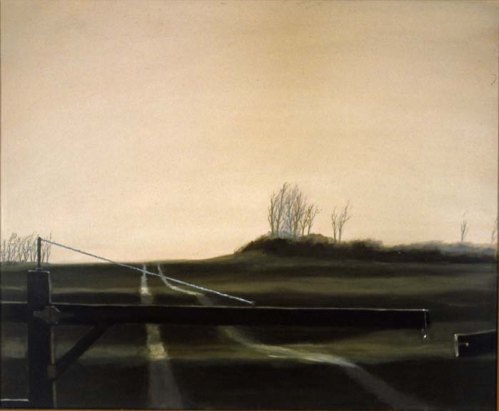 Kathryn Altus The Asian influence. Water becomes another shade of sky.
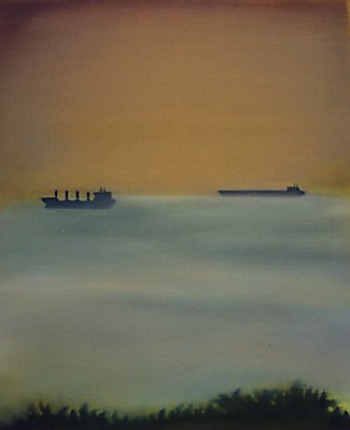 Clayton James The jeweled earth.
 Jay Steensma Alone, even when he’s with someone else. His idea of shelter is like a dirty lung, struggling to expand and contract.
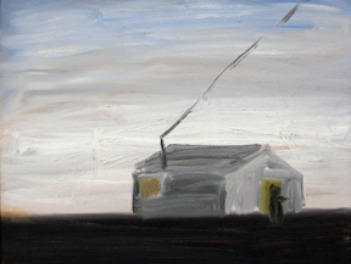 Alice Wheeler The air leaks blue.
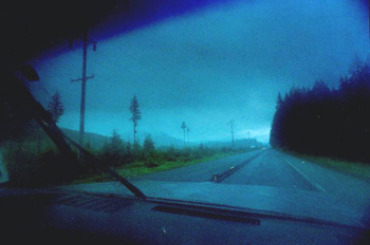 Ray Hill Father figure to Alden Mason. Peel back on Hill’s serenity and you have Mason’s jitterbug forms.
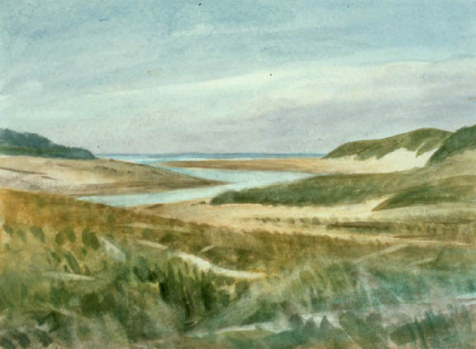 Alden Mason Life in a junkyard invaded by farms.
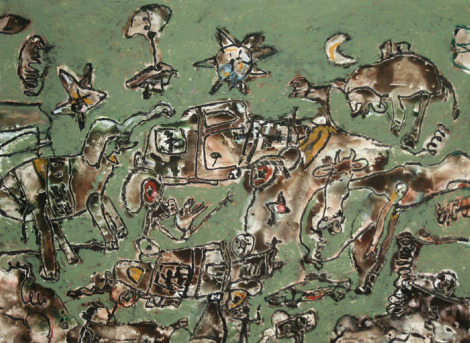 Thomas Wood Tulips become clouds.
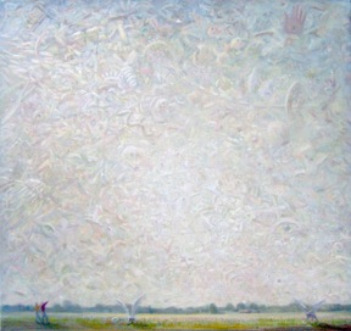
Paul Havas Like the barrier across the road in Lundin’s Skagit roadway, Havas’ thicket gives the viewer work to do.
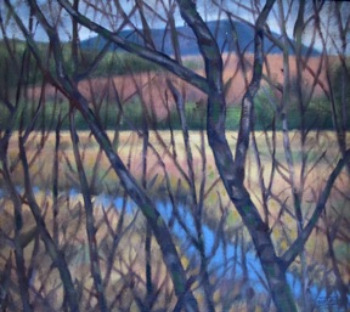
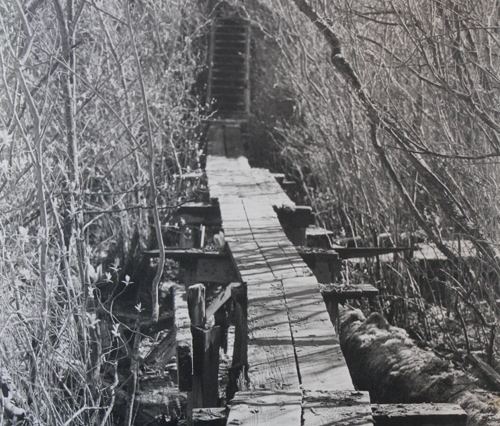 Charles Krafft stands out in spite of himself. While he was trying to free his mind from the wreckage of his body, he made art that stumbled along paths cleared by others, from Morris Graves and Guy Anderson to Li Po and Gary Snyder. Huffing volatile solvents and drinking incapacitating amounts of alcohol are not paths to greatness. Krafft hit his stride only after he sobered up and moved away. Fishtown is for him the scene of the crime, but it’s also part of his personal roots music. He continues to play it on the keener, deeper instrument he allowed himself to become.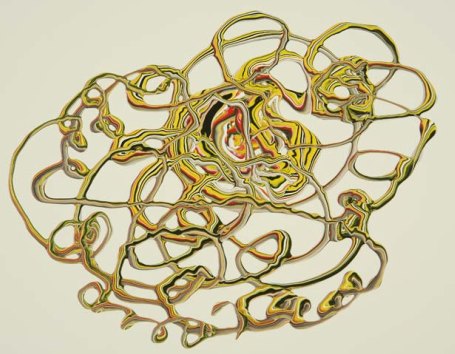
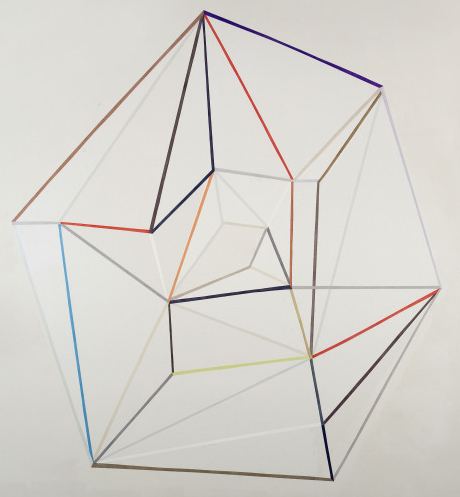 The clean lines and rigorously pale tonalities of
 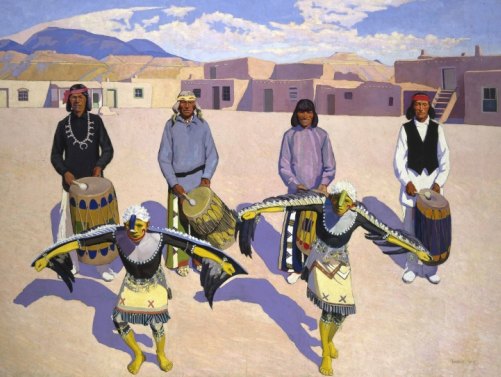 Seattle has the Northwest School, reduced in many minds to Mark Tobey, Morris Graves, Guy Anderson and Kenneth Callahan. Vancouver has Emily Carr. The world keeps Tobey and Graves alive, while the Northwest continues to support the remaining three.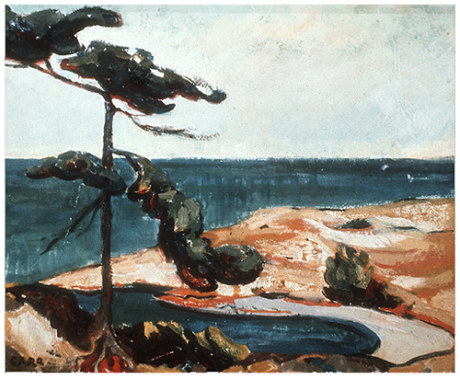
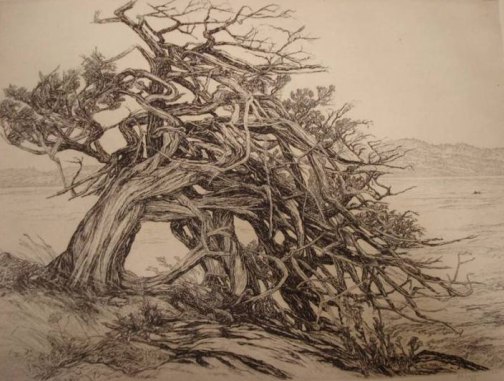 The 1940s through the 1980s look pretty good, with Helmi, Maude Kerns, Margaret Tomkins, Sally Haley, Patti Warashina, Mary Henry, Doris Chase, Karin Helmich, Gwen Knight, Norie Sato, Fay Jones and
 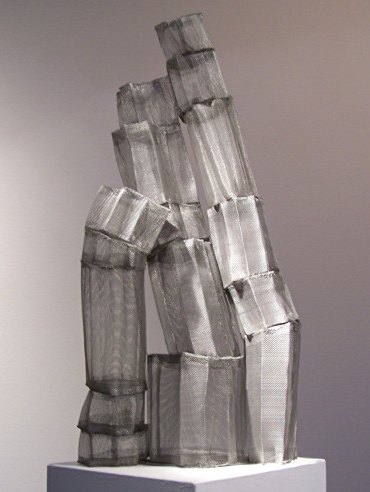 Working off Kandinsky,
 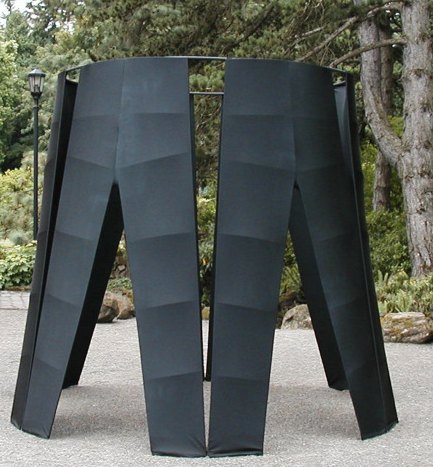 South of Seattle, so is
 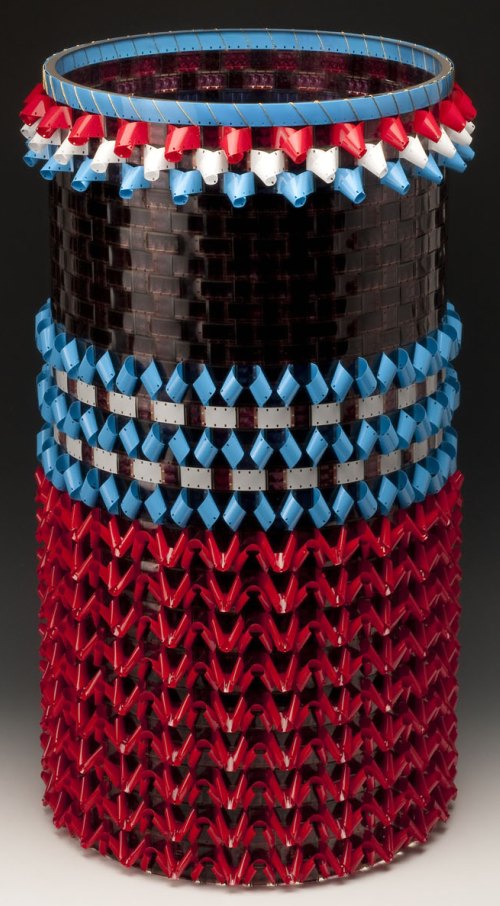 Even so, Seattle dominates the present, which didn’t have to happen. No exhibit is fair. We seek them out not for justice but for impact. On that latter score, this one suceeds.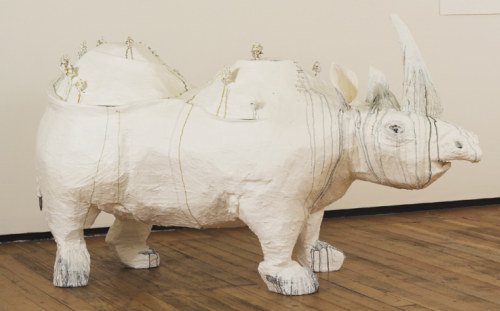
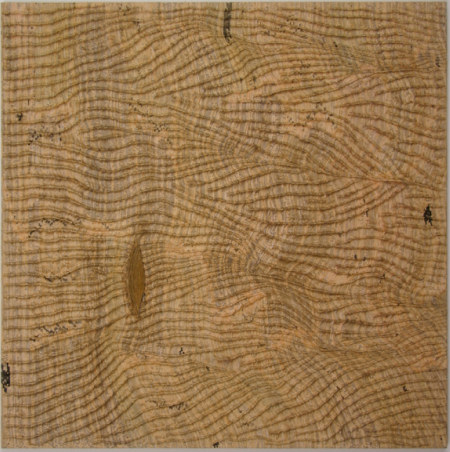
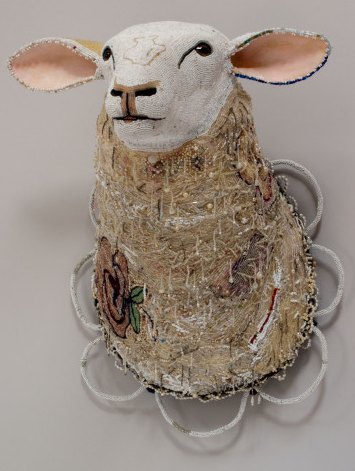
 Through Aug. 8.
 2. Don’t bring your head to the table. (Or your hands.)
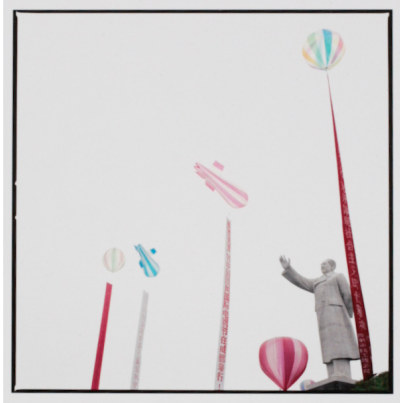
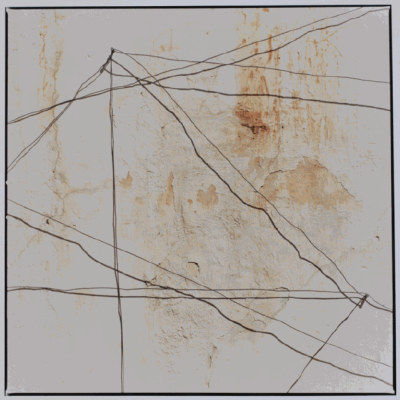
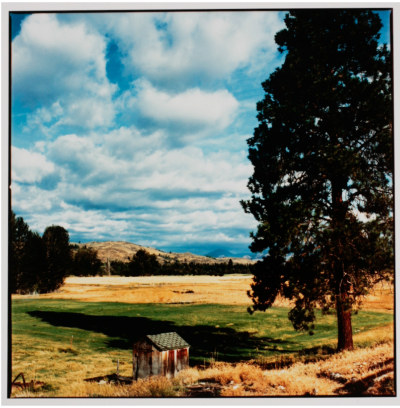
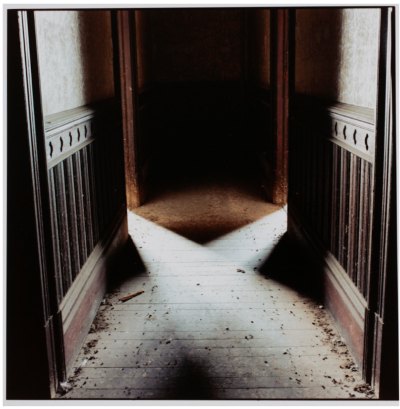
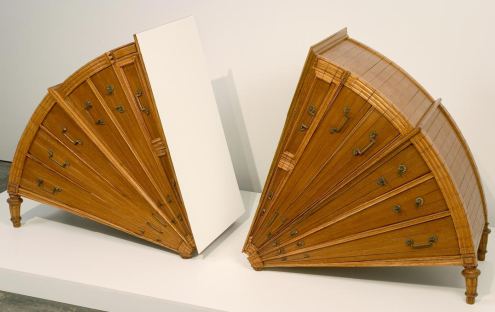
 Because everything he shoots is too real to be real, the exhibit’s title is,
 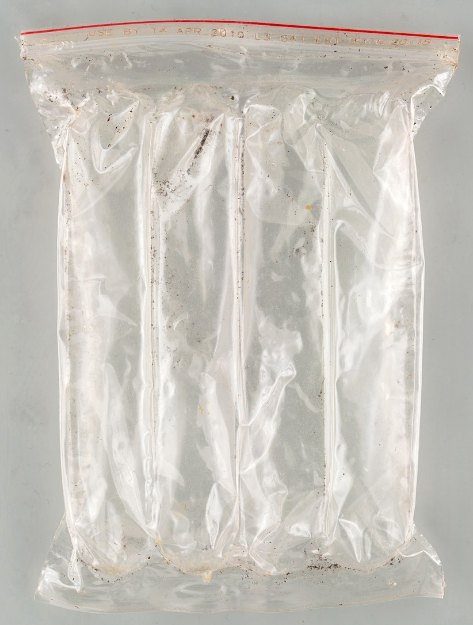 Working digitally, Layman combines layers of long exposures to get the same image stuck in a crater of a deepening visual repetition. It’s something like the idea of a rose is a rose, only simultaneously, as if everyone in a crowded room suddenly said “rose.” Everybody would say it a little differently.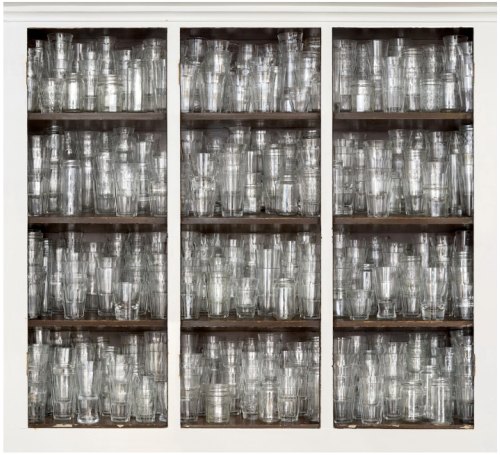
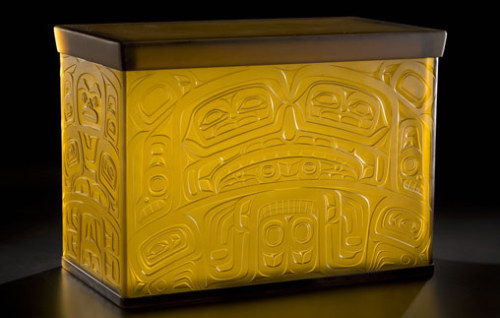 Singletary belongs to two tribes — the Tlingit nation into which he was born on his mother’s side, and glass, because glass at its core is tribal. In high school Singletary met lifelong friend
 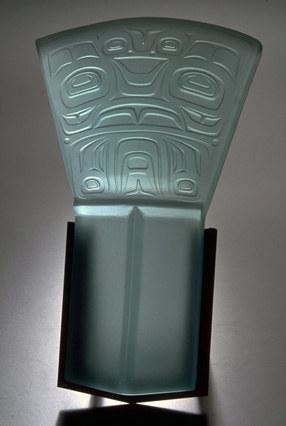 What he liked best was the company. No other form of contemporary art is such a clan venture. With music
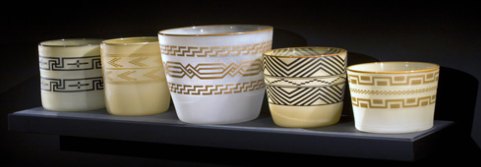 At Pilchuck, Singletary met
 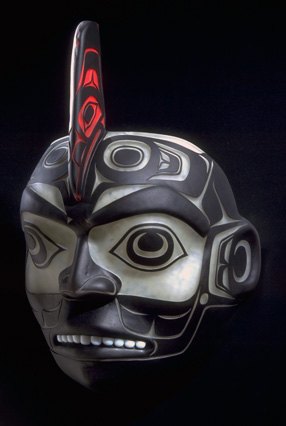 Using a sandblasting and
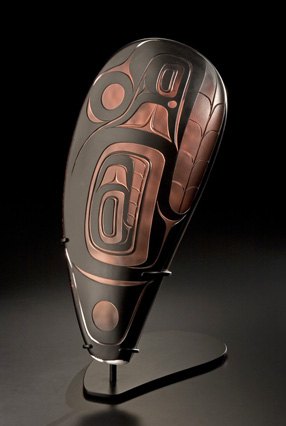 He’s grateful for the Indian artists working in glass who came