
Part 1 of 6
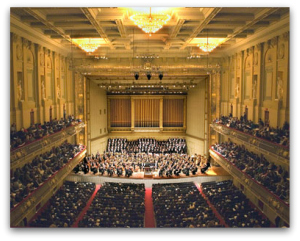
Once upon a time in America, there were concerts.
People went to them and then went home. In between those two activities they listened to great music. That was the whole point. It was a total experience inside the concert hall, complete in and of itself.
These concerts needed organizational structures to become stable. They needed administrators, volunteers, conductors, guest artists and a predictable roster of musicians.
The people who produced the concerts explored different ways of organizing themselves.
There were many approaches tried and the model that finally was adopted, almost universally, was a mix between capitalism and philanthropy.
Some people subscribed to the whole season, some people bought individual tickets. The gap between expenses and ticket revenues was filled through the generosity of some wealthy individuals.
Because the subscribers spent more than the individual ticket buyers, they were highly valued.
Because the donors gave money to the organizations they were valued even higher.
The organizations thanked the donors for each gift. They didn’t do that for the subscribers, but they offered some special things to them.
Individual ticket buyers were treated like any customer in a business relationship. They were not thanked.
Instead, the organizations traded the ticket for the money and hoped they would come again and that someday they might become subscribers. Sometimes the organizations would ask them for money through letters sent to the individual ticket buyers. Since the organizations had not established any real relationship with them this practice annoyed many of the individuals in the audience.
The organizations had a monopoly on the music because people had to attend the concerts in order to hear it.
Also, going to the concerts was considered the thing to do for those people who were rising in society. Attending the concerts was a way of announcing that they had arrived.
Part of the value of the symphony was that it provided a venue for people to have a public persona. Going to concerts offered a way to be seen by other audience members.
People chose their clothing to attend the concerts partly because others could see that they were well dressed.
Rules of behavior were established and quietly enforced.
People learned when to clap.
Time passed.
The cost of the concerts grew.
Leave a Reply