
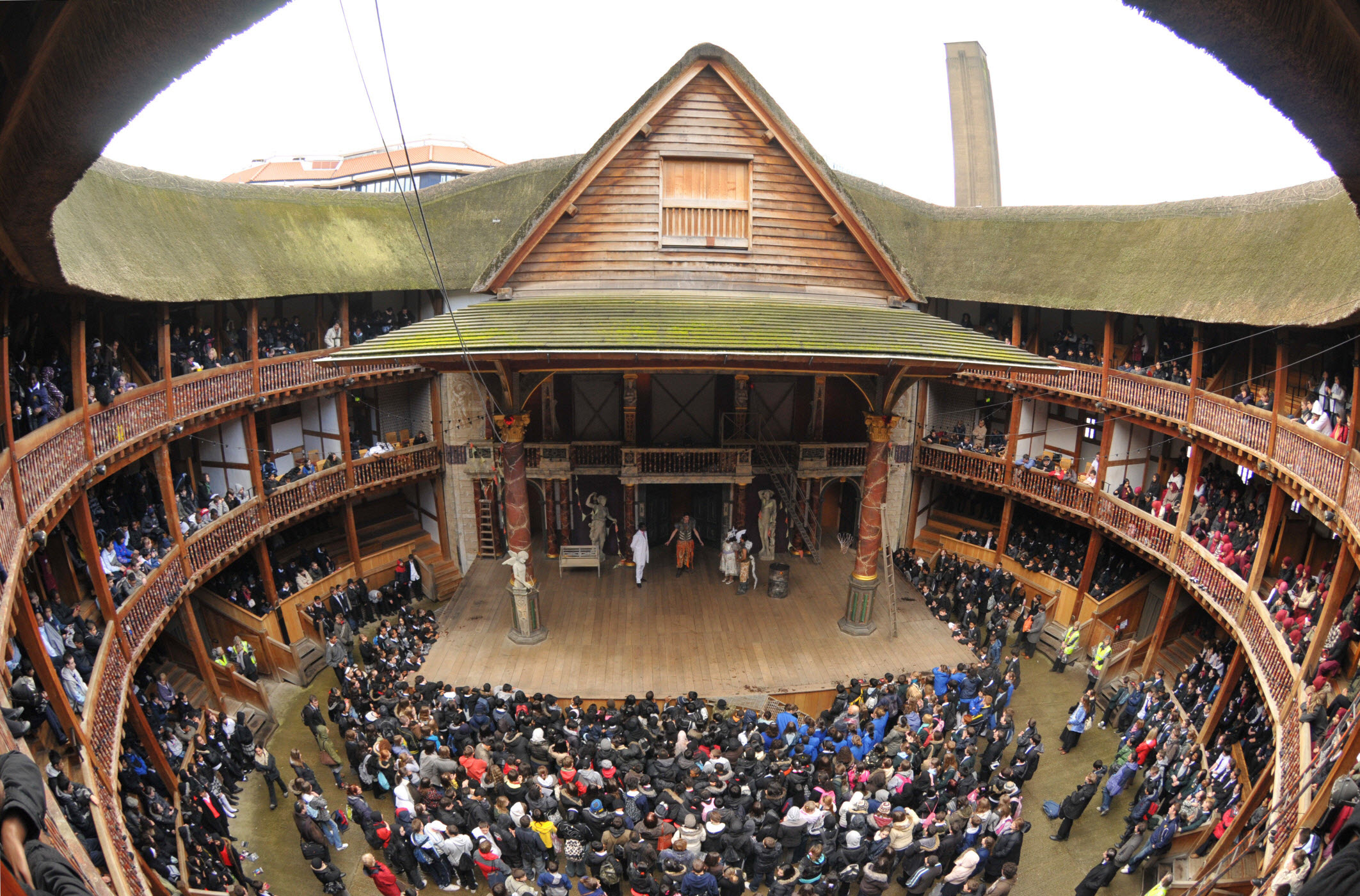
 An interesting piece in The Guardian today on the design and pricing of seating in theatres, that the efforts to make all seats ‘good’ seats has made it more difficult for those on a budget to attend performances. Iain Mackintosh writes:
We need to unravel the connection between seat prices and auditorium design. In the first theatre building boom, at the end of the 18th century, hundreds of playhouses were built with a top-to-bottom price ratio of eight to one. In the second, at the end of the 19th century, many more were built, including the West End theatres. All had galleries and boxes stretching down to the stage. They also had a greater capacity at the lower price levels than at the higher, a contrast to today, where there are very few cheap seats and they are all at the very back or the very front.
In the theatres of the postwar building boom, such as the Olivier and Lyttelton, all seats have roughly the same straight-on view. When the National Theatre building committee wondered whether their new theatres would be more intimate with side seats, architect Denys Lasdun replied: “I would need a written instruction to include bad seats.”
Contrast that with the reaction of client George Christie in 1991 when I introduced a horseshoe plan for the new Glyndebourne to replace the old shoebox holding 850. Asked for 200 more seats, I introduced a further 150 “bad seats”, over and above the brief. These paper the walls with people and give the theatre both warmth and a better acoustic. I suggested that this should depend on agreeing a price ratio of 10 to one. Christie immediately understood both the theatrical and social benefits. We built the horseshoe and there is still a 10 to one price ratio.
In the 60s it was thought that a new theatre had to be democratic and serve the whole audience equally. The result is not only cinema or stadium forms but also huge volumes: the volume of the Olivier theatre auditorium holding 1,060 is greater than that of Drury Lane, which holds 2,300. Seat prices have been levelled up rather than down on the grounds that all enjoy an uninterrupted view of the actor. Yet the performers prefer the old theatres with their multi-level circles embracing the stage.
The issue is that you cannot have heavily discounted seats if the quality difference is not large enough to justify the price difference – you lose too much revenue on those with a reasonably high willingness-to-pay for theatre opting for the less-expensive-but-still-decent seats.
An item keeps popping up in my twitter feed asking if I have been a ‘victim’ of price discrimination. But price discrimination often works to the benefit of lower income consumers, who are glad of the existence of paperback books, off-brand generic products at the grocery store, clothes at Old Navy, and bleacher seats at baseball games. I read a lot of griping about the miseries of coach class air travel, but flying has become remarkably democratized through discount prices. So here’s a cheer to ‘bad seats’.
Leave a Reply