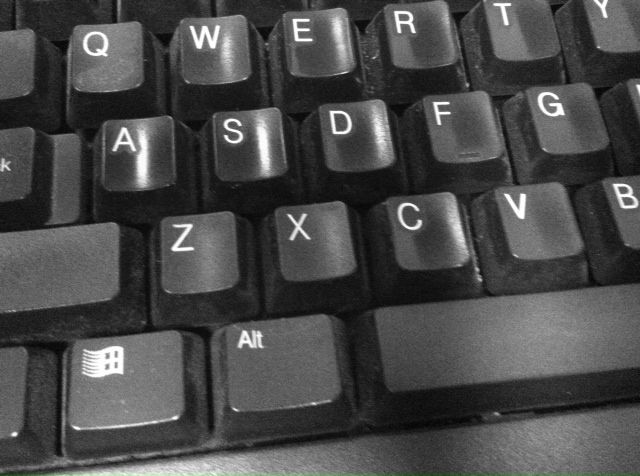
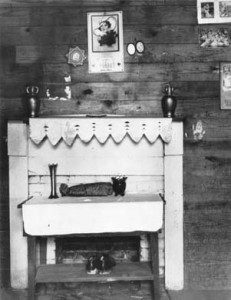
 In considering the ways today’s art is an art of appropriation, let’s notice a basic change that’s occurred in writing, composing, and design. Editing used to involve re-writing, re-typing, re-drawing — physically copying some previously used material into each new version. Computer-enabled editing techniques now mean that the virtual copying and pasting of material from one version of a project to another is routine whether we’re working with words, written music, sound, or photographic images.
This is an important practice in a world where intellectual property is functionally and conceptually challenged, a world in which much interesting “new” art is a making of pathways through the accumulated culture of the past — “postproduction art,” as Nicolas Borriaud terms it.
It’s difficult to preserve, in theory or practice, a clear distinction between appropriating pre-made material coming from inside and outside a project. And long standing questions about the granularity of ideas are everyday challenges. Can an intertext of one note be a “theft”? One chord? Which four notes are a lexia?
Clover-v!