The onset, the leading edge, of a note played on the piano is sudden. All the intensity of the tone comes right at the start, and then is followed by rapid decay.
Close-up in a small room or in some recordings, we may be very aware of this edge. The slightly percussive beginning of a tone played on the organ is called “chiff.” It can come from the physical opening of the valve which moves aside so air can flow through a pipe and make sound, or from the pipe itself. In some pop and classical recordings, the metallic twang of the metal wrapping on the piano’s bass strings can be audible — a kind of piano verismo. In big concert halls and rooms, the sharp edges of attacks get smoothed.
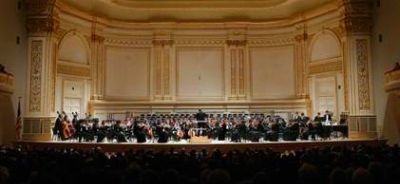
The loudness of sounds is relative and remarkably flexible. We hear a lot of decibels when we are hearing a modern piano in a small room. There, a forte chord is really loud! In contrast, dozens of musicians playing forte in an orchestra, in a big concert hall like Carnegie or the Musikverein, make a sound that, by the time it reaches your ear, if you’re sitting in the balcony, can easily be superseded by the quiet comment of the person in the neighboring seat who leans to whisper in your ear.