
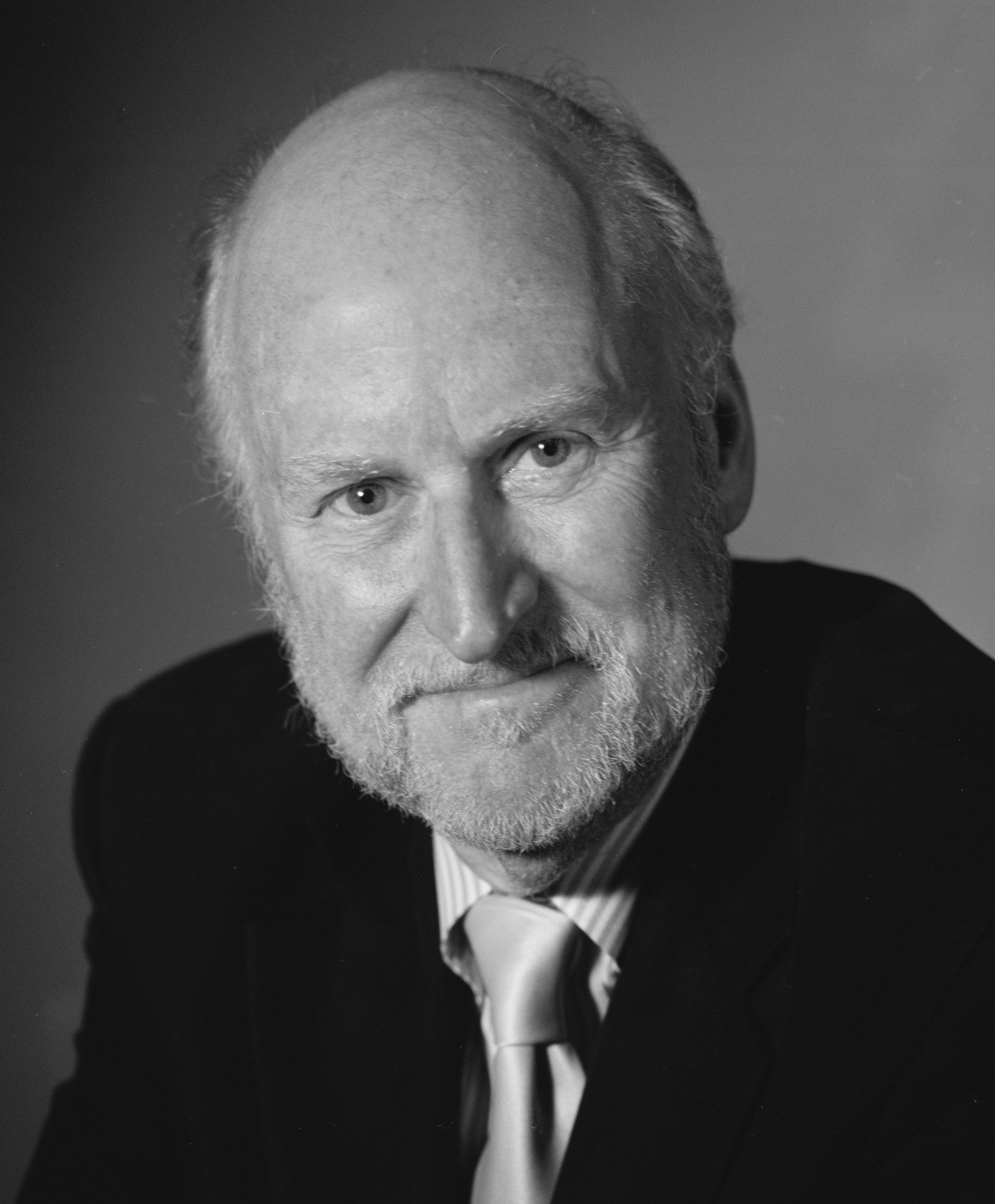
Mr. Rocco Landesman, NEA Chair
In an interesting turn of events last week, the NEA Chair, Rocco Landesman, echoed the “too much art” refrain that we’ve been hearing lately.  The press quotes varied from this one on the NY Times Arts Beat e-column to this one in the Post.   The Post has him saying, “We’re overbuilt. We have too many theaters.”  And the Times quote is, “You can either increase demand or decrease supply. Demand is not going to increase so it’s time to start thinking about decreasing supply.” Â
Let’s leave aside for today the thought that the Chair of the NEA apparently said publicly that “demand is not going to increase.” If I thought that, I could not do my job. But that’s another subject for another day.Â
At the moment, the interesting part of Mr. Landesman’s public musings has to do with whether his agency ought to give fewer, larger grants. Whether or not there is an over-supply of theater, this would be a good idea. Some of us can remember the days when the NEA awarded 7-figure grants that had a galvanizing impact on local support (remember the Challenge grant program?) and even made local news because NEA grants carried a meaningful (and helpful) imprimatur. Today, if you’re lucky and you still have a local newspaper with arts coverage, your NEA grant might be listed in a column with a couple dozen other organizations, most of whom receive the same $25,000 – $75,000 (and the SPCO is extremely pleased to be on the list, at an increased funding level, this year). Meanwhile, the grants process from application to review to reporting is if anything more cumbersome, not less so. I’m not saying these grants don’t make a difference, they do. It’s the matter of relative impact I’m considering. Could the NEA make a greater impact if the agency awarded fewer grants?
Ah, but the difficulty of choosing!  If the NEA decides to give fewer larger grants in the future, they don’t need to look at this process as a sort of death panel — i.e. choosing which organizations will die without them.  What’s needed from the Endowment is to identify which leadership organizations ought to receive (federal) money to do their work – to find those who are thriving in the current chaos and help them succeed even further.  It is not a death sentence for the organizations that don’t receive funding!  Cultural organizations live and die at the local level — we serve a local audience and have local boards and primarily local donors. Many, many organizations have and will be able to make it without the NEA.
How can the NEA identify leadership organizations?  First, let’s make this an optimistic conversation, one that’s about life (where do we find inspiration?) instead of death (which of us should be euthanized?). Let’s agree that leadership is about what you are, not about what you aren’t.  And let’s agree that leadership organizations can demonstrate they have an engaged and growing audience, and are dedicated to that being so. If the NEA is currently funding organizations that are not leaders, then Mr. Landesman’s public soul-searching is understandable. To change this is within his reach.